Top 10 Tools & Tech Used in Modern Film and Video Production
Top 10 Tools & Tech Used in Modern Film and Video Production
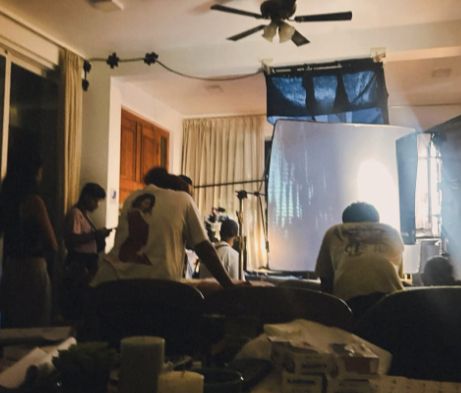
The film and video production landscape evolves rapidly as new technology redefines what is possible on screen. Creating high-quality cinematic content requires a precise blend of cutting-edge hardware and advanced software applications. Investing in the best video production tools drastically improves your storytelling capability and workflow efficiency.
From selecting the right cameras for video production to setting up crystal-clear sound equipment for video production, every technological choice directly impacts your final delivery of the film. Upgrading to modern, industry-standard top filmmaking gear ensures that the visuals remain sharp, the audio stays crisp, and the post-production timeline runs smoothly. Once production wraps, utilizing elite editing software for filmmakers allows you to seamlessly assemble, color grade, and polish the project to meet modern broadcast standards. Here are the top 10 technologies shaping cinema today.
1. Advanced Cinema Cameras
Modern production relies on high-resolution, large-format sensors to capture maximum detail.
Role: Delivers rich dynamic range, shallow depth of field, and flexible color grading options.
Industry Standards: Arri Alexa 35, Red V-Raptor, and Sony Venice 2.
Pro Tip: Match your choices to the distribution format requirements.
2. High-End Mirrorless Cameras
Compact mirrorless hybrid systems serve as excellent, highly portable cameras for video production on independent film and tv sets.
Role: Offers lightweight mobility, exceptional autofocus, and robust internal recording codecs.
Top Options: Sony FX3, Canon EOS R5 C, and Panasonic Lumix GH7.
Best For: Run-and-gun shooting, tight locations, and gimbal setups.
3. Smart LED Lighting Panels
Traditional power-hungry hot lights have been replaced by highly efficient, programmable LED fixtures.
Role: Provides full RGB color control, special effects replication, and mobile app operation.
Market Leaders: Aputure Nova, Astera Titan Tubes, and ARRI SkyPanel.
Benefit: Saves setup time and reduces on-set power requirements.
4. Professional Shotgun Microphones
Clear, directional audio is just as vital to visual storytelling as a crisp camera image.
Role: Rejects ambient background noise to isolate dialogue with pristine clarity.
Top Choices: Sennheiser MKH416 and Rode NTG5.
Placement: Position directly above talent just out of the video frame.
5. Multi-Channel Field Recorders
Investing in dedicated field recorders provides the robust sound equipment for video production that professional sets require.
Role: Manages multiple microphone inputs with high-quality preamps and dual-disk redundancy.
Key Hardware: Sound Devices 833 and Zoom F8n Pro.
Crucial Feature: 32-bit float recording prevents audio clipping or distortion.
6. Industry-Standard Editing Software
Post-production demands robust editing software for filmmakers capable of handling massive raw video files smoothly.
Role: Centralizes timeline editing, multi-cam syncing, and final project rendering.
Top Software: Adobe Premiere Pro, Apple Final Cut Pro, and Avid Media Composer.
Workflow: Utilize proxy workflows to edit high-resolution files on standard computers.
7. Advanced Color Grading Suites
Color grading transforms the raw camera image to establish the project's visual mood.
Role: Offers elite color correction, HDR grading, and digital audio mastering tools.
Platform: Blackmagic Design DaVinci Resolve.
Impact: Unifies footage from different camera brands into a cohesive look.
8. AI-Powered Post-Production Tools
Artificial intelligence helps filmmakers automate tedious tasks and fix audio errors instantly.
Role: Accelerates text-based video editing, speech enhancement, and object removal.
Applications: Adobe Sensei, DaVinci Neural Engine, and Topaz Video AI.
Value: Saves hours of manual work during the rough-cut phase.
9. Virtual Production and LED Volumes
Virtual production replaces green screens with massive, real-time digital backgrounds.
Role: Projects hyper-realistic digital environments behind actors using real-time game engines.
Core Tech: Unreal Engine paired with high-density LED wall arrays.
Advantage: Eliminates travel costs by shooting global locations on one soundstage.
10. 3-Axis Camera Gimbals
Electronic stabilization systems allow single operators to capture smooth, fluid camera movement.
Role: Eliminates unwanted camera shake during complex walking or running shots.
Key Models: DJI Ronin 4D and Freefly MoVI Pro.
Result: Replicates expensive crane or dolly tracking shots at a fraction of the cost.
The film and video production landscape evolves rapidly as new technology redefines what is possible on screen. Creating high-quality cinematic content requires a precise blend of cutting-edge hardware and advanced software applications. Investing in the best video production tools drastically improves your storytelling capability and workflow efficiency.
From selecting the right cameras for video production to setting up crystal-clear sound equipment for video production, every technological choice directly impacts your final delivery of the film. Upgrading to modern, industry-standard top filmmaking gear ensures that the visuals remain sharp, the audio stays crisp, and the post-production timeline runs smoothly. Once production wraps, utilizing elite editing software for filmmakers allows you to seamlessly assemble, color grade, and polish the project to meet modern broadcast standards. Here are the top 10 technologies shaping cinema today.
1. Advanced Cinema Cameras
Modern production relies on high-resolution, large-format sensors to capture maximum detail.
Role: Delivers rich dynamic range, shallow depth of field, and flexible color grading options.
Industry Standards: Arri Alexa 35, Red V-Raptor, and Sony Venice 2.
Pro Tip: Match your choices to the distribution format requirements.
2. High-End Mirrorless Cameras
Compact mirrorless hybrid systems serve as excellent, highly portable cameras for video production on independent film and tv sets.
Role: Offers lightweight mobility, exceptional autofocus, and robust internal recording codecs.
Top Options: Sony FX3, Canon EOS R5 C, and Panasonic Lumix GH7.
Best For: Run-and-gun shooting, tight locations, and gimbal setups.
3. Smart LED Lighting Panels
Traditional power-hungry hot lights have been replaced by highly efficient, programmable LED fixtures.
Role: Provides full RGB color control, special effects replication, and mobile app operation.
Market Leaders: Aputure Nova, Astera Titan Tubes, and ARRI SkyPanel.
Benefit: Saves setup time and reduces on-set power requirements.
4. Professional Shotgun Microphones
Clear, directional audio is just as vital to visual storytelling as a crisp camera image.
Role: Rejects ambient background noise to isolate dialogue with pristine clarity.
Top Choices: Sennheiser MKH416 and Rode NTG5.
Placement: Position directly above talent just out of the video frame.
5. Multi-Channel Field Recorders
Investing in dedicated field recorders provides the robust sound equipment for video production that professional sets require.
Role: Manages multiple microphone inputs with high-quality preamps and dual-disk redundancy.
Key Hardware: Sound Devices 833 and Zoom F8n Pro.
Crucial Feature: 32-bit float recording prevents audio clipping or distortion.
6. Industry-Standard Editing Software
Post-production demands robust editing software for filmmakers capable of handling massive raw video files smoothly.
Role: Centralizes timeline editing, multi-cam syncing, and final project rendering.
Top Software: Adobe Premiere Pro, Apple Final Cut Pro, and Avid Media Composer.
Workflow: Utilize proxy workflows to edit high-resolution files on standard computers.
7. Advanced Color Grading Suites
Color grading transforms the raw camera image to establish the project's visual mood.
Role: Offers elite color correction, HDR grading, and digital audio mastering tools.
Platform: Blackmagic Design DaVinci Resolve.
Impact: Unifies footage from different camera brands into a cohesive look.
8. AI-Powered Post-Production Tools
Artificial intelligence helps filmmakers automate tedious tasks and fix audio errors instantly.
Role: Accelerates text-based video editing, speech enhancement, and object removal.
Applications: Adobe Sensei, DaVinci Neural Engine, and Topaz Video AI.
Value: Saves hours of manual work during the rough-cut phase.
9. Virtual Production and LED Volumes
Virtual production replaces green screens with massive, real-time digital backgrounds.
Role: Projects hyper-realistic digital environments behind actors using real-time game engines.
Core Tech: Unreal Engine paired with high-density LED wall arrays.
Advantage: Eliminates travel costs by shooting global locations on one soundstage.
10. 3-Axis Camera Gimbals
Electronic stabilization systems allow single operators to capture smooth, fluid camera movement.
Role: Eliminates unwanted camera shake during complex walking or running shots.
Key Models: DJI Ronin 4D and Freefly MoVI Pro.
Result: Replicates expensive crane or dolly tracking shots at a fraction of the cost.