The Future of Digital Media: How AI and Interactive Storytelling Are Shaping the Next Era of Content
The Future of Digital Media: How AI and Interactive Storytelling Are Shaping the Next Era of Content
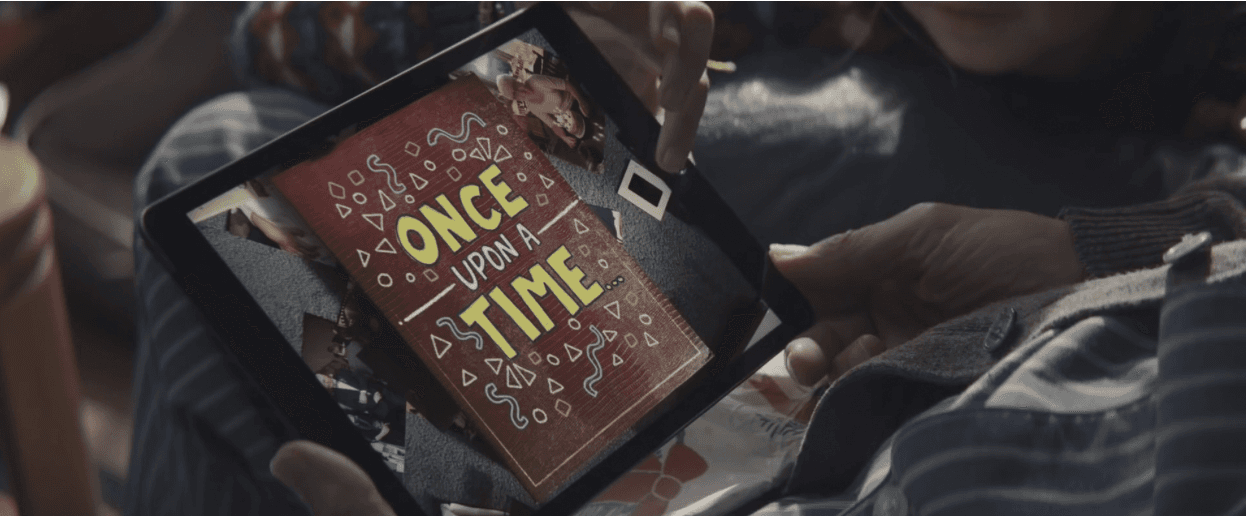
The way we create and consume content is changing faster than ever. A few years ago, producing a video, article, campaign, or interactive experience required large teams, long timelines, and bigger budgets. Today, with the right tools, even a single creator or small production team can create content that once required an entire studio.
This shift is not just about technology becoming more advanced. It is about the future of digital media becoming more creative, more personalized, and more audience-focused.
From AI in digital media production to interactive storytelling for brands, the next era of content will not only be about what people watch. It will be about how deeply they engage, how personally they connect, and how actively they participate.

AI Is Changing How Content Gets Made
Artificial intelligence is now becoming part of almost every stage of content production. Writers use AI tools to draft ideas, refine copy, and structure scripts. Designers use it to generate visual references and moodboards. Video teams use it to speed up edits, organize footage, create captions, and reduce repetitive production tasks.
AI is not replacing creativity. Instead, it is removing the friction that often slows creative teams down.
For creators and production houses, this means more time can be spent on ideas, storytelling, direction, and execution. AI tools for content creators can help with research, ideation, editing, content planning, and even platform-specific adaptations.
What makes AI even more powerful is what it can do behind the scenes. AI-powered content strategy can help brands understand what their audience wants to watch, when they are most active, which formats perform best, and what kind of content creates better engagement.
This means content can now be planned and personalized at a scale that was not possible before.
Personalization Will Define the Future of Content
One of the biggest digital media trends for brands is personalization. Audiences no longer want generic content that feels the same for everyone. They expect content that feels relevant to their interests, preferences, location, and behavior.
AI makes this possible by studying how people interact with content. It can help brands understand what type of videos people watch, what topics they respond to, where they drop off, and what keeps them engaged.
For example, a fashion brand can show different styles to different audience groups. A travel company can recommend destinations based on user preferences. A media company can suggest shows based on viewing habits. A production house can create different edits of the same campaign for Instagram, YouTube, LinkedIn, and OTT platforms.
This is where personalized content experiences become valuable. Instead of creating one campaign for everyone, brands can create smarter versions of the same idea for different audiences.
The future of digital content creation will depend on how well brands use personalization without losing their core story.

Interactive Storytelling Is Taking Center Stage
People do not just want to watch anymore. They want to be part of the story.
Interactive storytelling gives audiences a role to play. This could mean choosing how a narrative unfolds, voting during a live event, exploring a product in a virtual space, using an AR filter, or engaging with content that responds to their choices.
Interactive storytelling for brands is becoming more important because audiences remember experiences better when they participate in them. Instead of simply watching an ad or campaign, users become part of the journey.
Interactive content can include:
Choose-your-own-story videos
Interactive product demos
Poll-based campaigns
Clickable video experiences
AR filters
Virtual brand experiences
Gamified social media content
Live audience voting
This shift matters because engaged audiences spend more time with the content. They remember the brand better and feel a stronger connection with the story being told.
For industries like entertainment, sports, fashion, travel, education, retail, and gaming, audience engagement through interactive content can become a major advantage.

AR Is Closing the Gap Between Digital and Physical
Augmented reality is becoming one of the most powerful tools in modern digital media. It layers digital content over the real world, creating a bridge between physical spaces and digital experiences.
AR is no longer limited to gaming. Retailers use AR to let customers try products before buying. Media companies use it to make data and information more visual. Educators use it to make learning more engaging. Brands use AR filters and immersive campaigns to create memorable experiences.
AR in digital storytelling allows creators to make content feel more real, more personal, and more interactive.
For example, a furniture brand can let users place a sofa inside their room using their phone. A beauty brand can let users try makeup virtually. A sports brand can create an AR experience around a player, team, or event. A production house can use AR graphics during live broadcasts or brand activations.
As AR becomes easier to access through everyday devices, it will become a standard part of how stories are told.
Short-Form and Immersive Content Will Work Together
Short-form content has changed the way people consume media. Platforms like Instagram Reels, YouTube Shorts, and TikTok have made quick, sharp, and visually strong content more important than ever.
But the future of digital media will not only be about short videos. It will be about combining short-form content with immersive content experiences.
A brand may release a short teaser video and then direct users to an interactive website. A film campaign may use reels for awareness and a virtual experience for deeper engagement. A sports brand may use live clips, fan polls, AR filters, and behind-the-scenes content together.
This means brands need to think beyond one format.
The strongest content strategies will connect multiple formats together. A single campaign may include short videos, live content, interactive pages, AR filters, influencer content, and data-driven retargeting.
The future of content creation will belong to brands that know how to connect these formats into one strong story.
Data Will Help Brands Make Better Creative Decisions
In the past, many creative decisions were based mostly on instinct. Today, data gives creators and brands a clearer idea of what is working and what needs improvement.
AI-powered analytics can show which videos hold attention, which thumbnails perform better, what topics create more engagement, and where audiences stop watching.
This does not mean creativity becomes less important. It means creative teams can make smarter decisions.
For example, a brand can test different versions of a campaign and understand which one connects better with the audience. A production team can create platform-specific edits based on performance. A publisher can study what type of story format keeps readers engaged for longer.
Data helps improve the creative process, but the final impact still depends on strong ideas, storytelling, and execution.
What This Means for Creators and Brands
The next era of media is not just about better technology. It is about rethinking what content can do.
Creators and brands need to move beyond simply asking, “How do we make people see this?” The better question is, “How do we make people feel something, remember something, or become part of the experience?”
This is where immersive content for brands becomes important. Audiences are surrounded by content every day. To stand out, brands need to create experiences that feel meaningful and engaging.
AI can help make content faster and smarter. Interactive storytelling can make content more engaging. AR can make content more immersive. Data can make content more effective.
But the heart of everything still remains the same: a strong idea.
Technology can support the story, but it cannot replace the need for emotion, creativity, and purpose.
Final Thoughts
The future of digital media is being shaped by AI, AR, personalization, data, and interactive storytelling. These tools are changing how content is planned, created, distributed, and experienced.
For creators, this opens up new possibilities. For brands, it creates new ways to connect with audiences. For production houses, it means content can become more intelligent, immersive, and performance-driven.
The brands that will stand out in the coming years are the ones that understand how to combine technology with storytelling. They will not just create content for people to watch. They will create experiences that people can interact with, remember, and share.
The tools are already here. The future depends on how creatively we choose to use them.
The way we create and consume content is changing faster than ever. A few years ago, producing a video, article, campaign, or interactive experience required large teams, long timelines, and bigger budgets. Today, with the right tools, even a single creator or small production team can create content that once required an entire studio.
This shift is not just about technology becoming more advanced. It is about the future of digital media becoming more creative, more personalized, and more audience-focused.
From AI in digital media production to interactive storytelling for brands, the next era of content will not only be about what people watch. It will be about how deeply they engage, how personally they connect, and how actively they participate.
AI Is Changing How Content Gets Made
Artificial intelligence is now becoming part of almost every stage of content production. Writers use AI tools to draft ideas, refine copy, and structure scripts. Designers use it to generate visual references and moodboards. Video teams use it to speed up edits, organize footage, create captions, and reduce repetitive production tasks.
AI is not replacing creativity. Instead, it is removing the friction that often slows creative teams down.
For creators and production houses, this means more time can be spent on ideas, storytelling, direction, and execution. AI tools for content creators can help with research, ideation, editing, content planning, and even platform-specific adaptations.
What makes AI even more powerful is what it can do behind the scenes. AI-powered content strategy can help brands understand what their audience wants to watch, when they are most active, which formats perform best, and what kind of content creates better engagement.
This means content can now be planned and personalized at a scale that was not possible before.
Personalization Will Define the Future of Content
One of the biggest digital media trends for brands is personalization. Audiences no longer want generic content that feels the same for everyone. They expect content that feels relevant to their interests, preferences, location, and behavior.
AI makes this possible by studying how people interact with content. It can help brands understand what type of videos people watch, what topics they respond to, where they drop off, and what keeps them engaged.
For example, a fashion brand can show different styles to different audience groups. A travel company can recommend destinations based on user preferences. A media company can suggest shows based on viewing habits. A production house can create different edits of the same campaign for Instagram, YouTube, LinkedIn, and OTT platforms.
This is where personalized content experiences become valuable. Instead of creating one campaign for everyone, brands can create smarter versions of the same idea for different audiences.
The future of digital content creation will depend on how well brands use personalization without losing their core story.
Interactive Storytelling Is Taking Center Stage
People do not just want to watch anymore. They want to be part of the story.
Interactive storytelling gives audiences a role to play. This could mean choosing how a narrative unfolds, voting during a live event, exploring a product in a virtual space, using an AR filter, or engaging with content that responds to their choices.
Interactive storytelling for brands is becoming more important because audiences remember experiences better when they participate in them. Instead of simply watching an ad or campaign, users become part of the journey.
Interactive content can include:
Choose-your-own-story videos
Interactive product demos
Poll-based campaigns
Clickable video experiences
AR filters
Virtual brand experiences
Gamified social media content
Live audience voting
This shift matters because engaged audiences spend more time with the content. They remember the brand better and feel a stronger connection with the story being told.
For industries like entertainment, sports, fashion, travel, education, retail, and gaming, audience engagement through interactive content can become a major advantage.
AR Is Closing the Gap Between Digital and Physical
Augmented reality is becoming one of the most powerful tools in modern digital media. It layers digital content over the real world, creating a bridge between physical spaces and digital experiences.
AR is no longer limited to gaming. Retailers use AR to let customers try products before buying. Media companies use it to make data and information more visual. Educators use it to make learning more engaging. Brands use AR filters and immersive campaigns to create memorable experiences.
AR in digital storytelling allows creators to make content feel more real, more personal, and more interactive.
For example, a furniture brand can let users place a sofa inside their room using their phone. A beauty brand can let users try makeup virtually. A sports brand can create an AR experience around a player, team, or event. A production house can use AR graphics during live broadcasts or brand activations.
As AR becomes easier to access through everyday devices, it will become a standard part of how stories are told.
Short-Form and Immersive Content Will Work Together
Short-form content has changed the way people consume media. Platforms like Instagram Reels, YouTube Shorts, and TikTok have made quick, sharp, and visually strong content more important than ever.
But the future of digital media will not only be about short videos. It will be about combining short-form content with immersive content experiences.
A brand may release a short teaser video and then direct users to an interactive website. A film campaign may use reels for awareness and a virtual experience for deeper engagement. A sports brand may use live clips, fan polls, AR filters, and behind-the-scenes content together.
This means brands need to think beyond one format.
The strongest content strategies will connect multiple formats together. A single campaign may include short videos, live content, interactive pages, AR filters, influencer content, and data-driven retargeting.
The future of content creation will belong to brands that know how to connect these formats into one strong story.
Data Will Help Brands Make Better Creative Decisions
In the past, many creative decisions were based mostly on instinct. Today, data gives creators and brands a clearer idea of what is working and what needs improvement.
AI-powered analytics can show which videos hold attention, which thumbnails perform better, what topics create more engagement, and where audiences stop watching.
This does not mean creativity becomes less important. It means creative teams can make smarter decisions.
For example, a brand can test different versions of a campaign and understand which one connects better with the audience. A production team can create platform-specific edits based on performance. A publisher can study what type of story format keeps readers engaged for longer.
Data helps improve the creative process, but the final impact still depends on strong ideas, storytelling, and execution.
What This Means for Creators and Brands
The next era of media is not just about better technology. It is about rethinking what content can do.
Creators and brands need to move beyond simply asking, “How do we make people see this?” The better question is, “How do we make people feel something, remember something, or become part of the experience?”
This is where immersive content for brands becomes important. Audiences are surrounded by content every day. To stand out, brands need to create experiences that feel meaningful and engaging.
AI can help make content faster and smarter. Interactive storytelling can make content more engaging. AR can make content more immersive. Data can make content more effective.
But the heart of everything still remains the same: a strong idea.
Technology can support the story, but it cannot replace the need for emotion, creativity, and purpose.
Final Thoughts
The future of digital media is being shaped by AI, AR, personalization, data, and interactive storytelling. These tools are changing how content is planned, created, distributed, and experienced.
For creators, this opens up new possibilities. For brands, it creates new ways to connect with audiences. For production houses, it means content can become more intelligent, immersive, and performance-driven.
The brands that will stand out in the coming years are the ones that understand how to combine technology with storytelling. They will not just create content for people to watch. They will create experiences that people can interact with, remember, and share.
The tools are already here. The future depends on how creatively we choose to use them.